Sometimes it only takes a pause.
A text that feels a little shorter than usual.
A look that doesn't seem quite right.
A voice that sounds different from yesterday.
And before long, you've built an entire story.
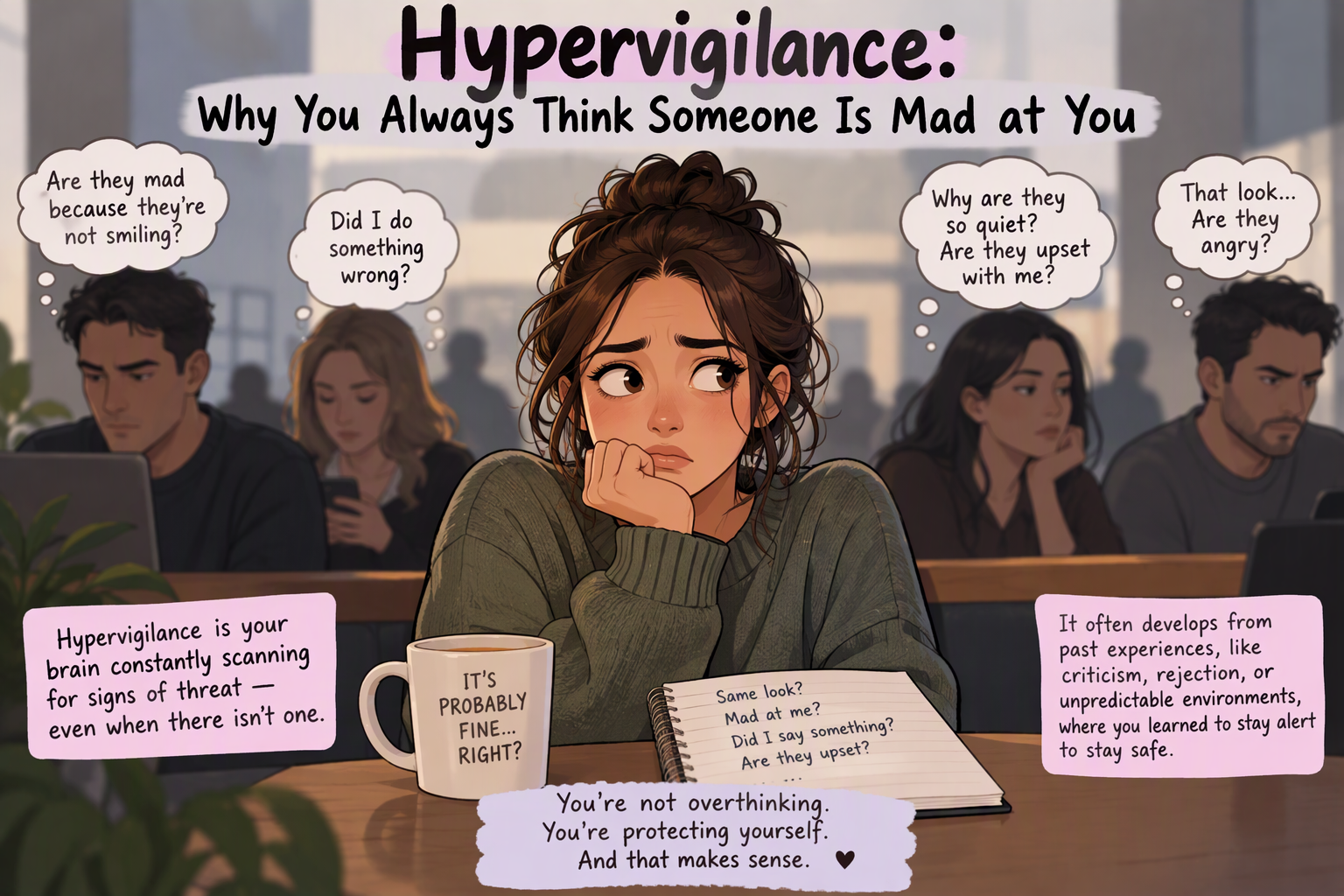
"They're upset with me."
"I must have done something wrong."
"What did I miss?"
If you know that experience, you're not alone.
I know people who can walk into a room and tell you who's irritated, who's uncomfortable, who's pretending everything is fine, and who's carrying stress they haven't talked about yet. They've become experts at reading a room.
The problem is that being able to read a room isn't the same thing as being responsible for it.
Somewhere along the way, many of us learned to pay close attention to other people's moods. Maybe it was because peace was fragile. Maybe conflict appeared without warning. Maybe we learned that anticipating someone's reaction was safer than being surprised by it.
So we became watchful.
At first, it helped us survive.
Then one day we realized we weren't surviving anymore.
We were just tired.
Tired of replaying conversations.
Tired of wondering what everyone really meant.
Tired of carrying emotional responsibility for people who never asked us to carry it.
The truth is, not every sigh is about you.
Not every bad mood is because of something you said.
Not every quiet moment is evidence that a relationship is falling apart.
Sometimes people are distracted.
Sometimes they're stressed.
Sometimes they're carrying battles you'll never know about.
And sometimes they're simply having a hard day.
Hypervigilance has a way of turning possibilities into certainties.
It takes a fear and presents it as a fact.
But fear is a poor interpreter of reality.
One of the hardest lessons I've had to learn is this:
Other people's feelings belong to them.
That sounds obvious when we say it out loud, but many of us live as though it isn't true.
We apologize before we're accused.
We explain before we're questioned.
We worry before anything has actually happened.
We carry burdens that were never placed on our shoulders.
And all the while, peace sits just beyond our reach because we're trying to control things that were never ours to manage.
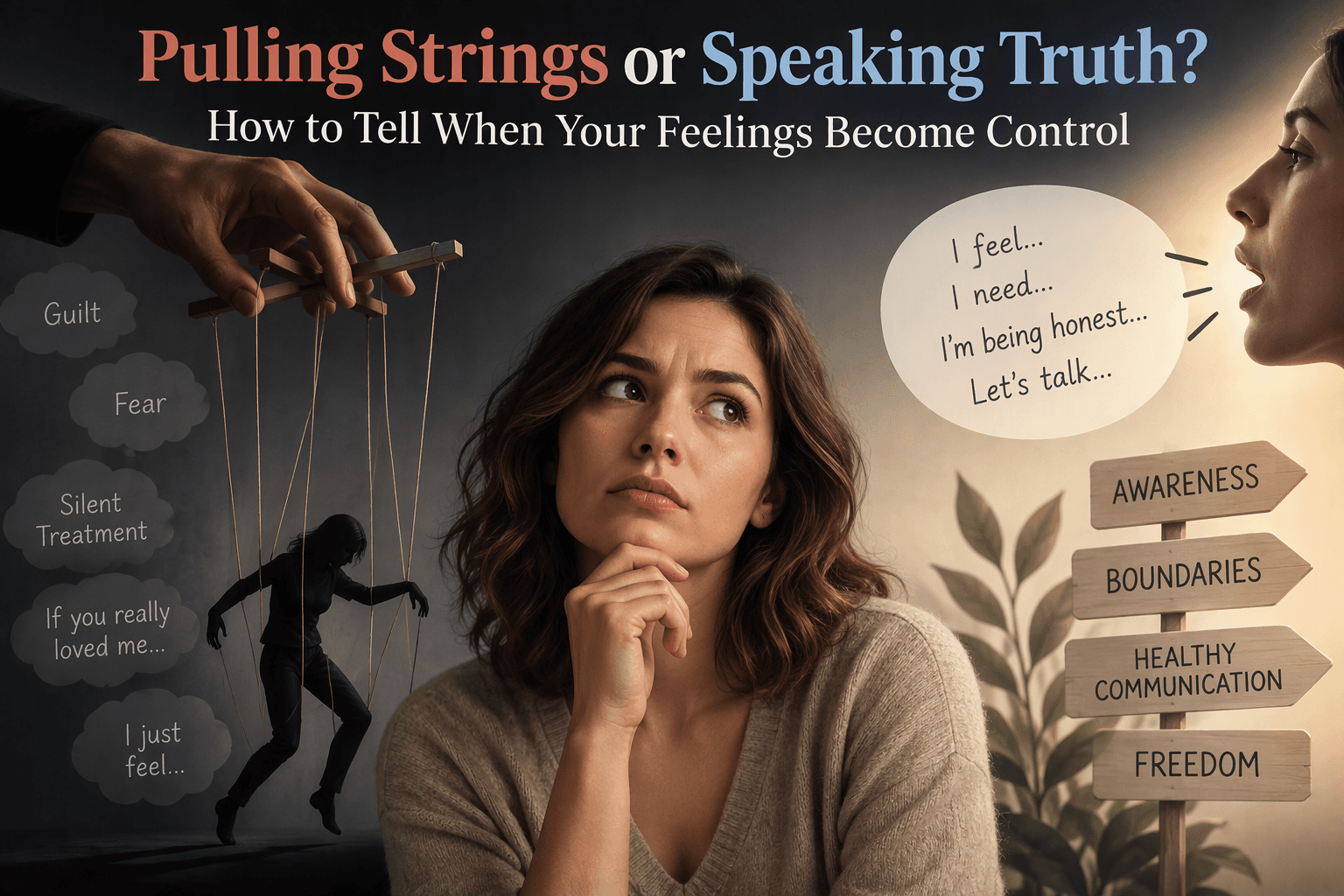
The freedom comes when we begin to ask a different question.
Not, "How do I make sure nobody is upset?"
But, "What is actually true right now?"
What evidence do I have?
What am I assuming?
What story am I telling myself?
Most of the time, we discover that our fears have been speaking much louder than the facts.
And when that happens, we get a choice.
We can keep chasing certainty in somebody else's emotions.
Or we can rest.
Rest in what we know.
Rest in what is true.
Rest in the understanding that healthy relationships do not require us to monitor every facial expression, every text message, or every change in tone.
A Word from the Front Porch
If you're always wondering whether someone is mad at you, maybe you've been carrying vigilance for so long that it feels normal now.
But constant watchfulness is not the same thing as peace.
Peace doesn't come from successfully predicting everyone's moods.
Peace comes from knowing that God never asked you to carry them.
You can care about people without managing them.
You can love people without reading their minds.
And you can finally put down responsibilities that were never yours to hold.
That's not selfishness.
That's freedom.
And freedom is a much lighter thing to carry down the road.